After years of producing in various environments - from untreated apartments to hotel rooms on tour - I've discovered that creating professional-sounding music doesn't necessarily require expensive gear or perfect acoustic spaces. What you really need is a solid foundation that gives you reliable, consistent feedback about your sound.
Today I want to share the three essential elements that have completely transformed my home production setup and helped me create professional-quality tracks regardless of where I'm working.
1. Start with Quality Headphones - Not Monitors
Many producers make the mistake of investing in expensive studio monitors before they're ready. The truth? Quality studio headphones are a much better first investment for most home producers. Here's why:
-
Room acoustics don't matter - Headphones bypass the need for acoustic treatment, which is crucial in untreated apartments or shared living spaces
-
Work anytime, anywhere - Late night sessions won't disturb your neighbors, and you can produce on trains, planes, or hotel rooms with consistent results
-
Immediate upgrade - Even budget studio headphones provide more accurate sound reproduction than mid-tier monitors in an untreated room
When choosing headphones, focus on these key characteristics:
-
Flat frequency response - Look for headphones designed for mixing, not consumer models with boosted bass
-
Comfort factor - You'll wear these for hours; discomfort directly impacts your creative output
-
Durability - These will be your daily drivers; cheap construction will cost you more in the long run
-
Consider open-back designs - They offer better soundstage and reduced ear fatigue (though they do leak isolation for traveling)
I've tested dozens of headphones over the years, and the Audio-Technica ATH-R70xa has become my personal favorite for its neutral sound, incredible comfort, and reliability. Whatever you choose, the key is consistency - learn your headphones inside and out.
2. Apply a Calibration Layer for Accurate Listening
Here's something most producers don't realize: every headphone and speaker introduces its own frequency biases. This means you might be making mix decisions based on colorations in your monitoring system rather than what's actually happening in your track.
This is where headphone correction software becomes a game-changer.
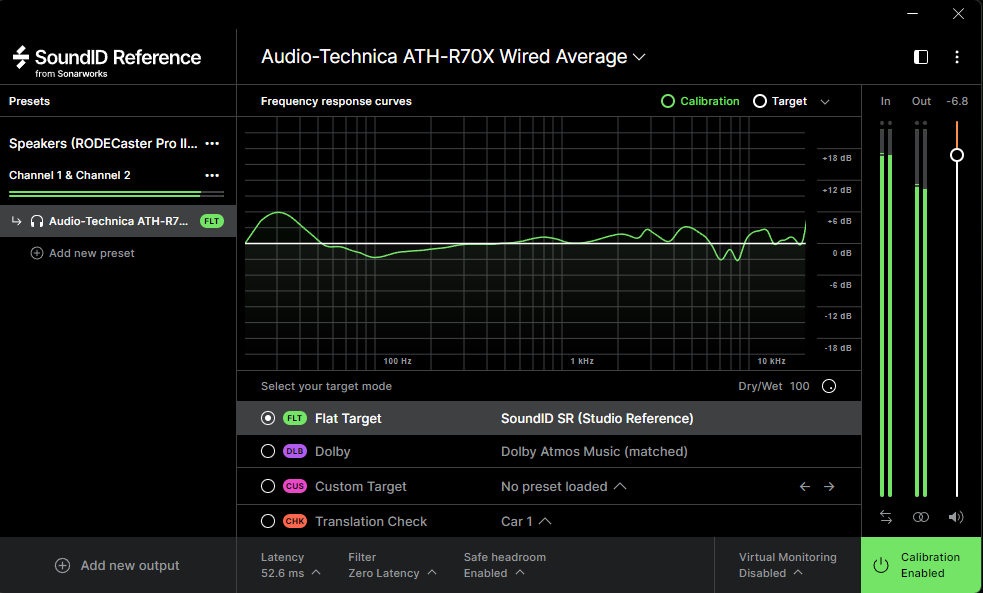
Tools like Sonarworks Reference work by:
-
Analyzing your specific headphone model's frequency response
-
Creating a custom profile that applies an inverse EQ curve
-
Flattening the response to give you a more accurate representation of your mix
The difference is immediately noticeable - suddenly the low-mid mud clears up, the harsh highs smooth out, and you can hear your mix as it truly is. This means:
-
More transferable mixes - What you hear in your headphones is much closer to what others will hear on their systems
-
Faster decision making - You spend less time second-guessing your choices
-
Consistent experience - Whether you're at home or on the road, your listening environment remains standardized
I've been using correction software for years, and it's completely changed how I approach mixing. The confidence of knowing what you're hearing is accurate is invaluable.
3. Use Metering Tools to See What You Hear
Our ears can deceive us, especially during long sessions when ear fatigue sets in. This is why analyzer software isn't optional—it's essential for professional productions.
Good metering tools provide:
-
Frequency spectrum analysis - See where energy is concentrated in your mix
-
Stereo imaging visualization - Understand how your sounds are positioned in the stereo field
-
Phase correlation - Identify potential mono compatibility issues
-
Dynamic range insights - Visualize the relationship between peaks and average levels
Free tools like SPAN offer powerful analysis capabilities to get you started. I'm also excited to tell you about our custom analyzers being developed by IO Records that combine intuitive interfaces with comprehensive metrics.
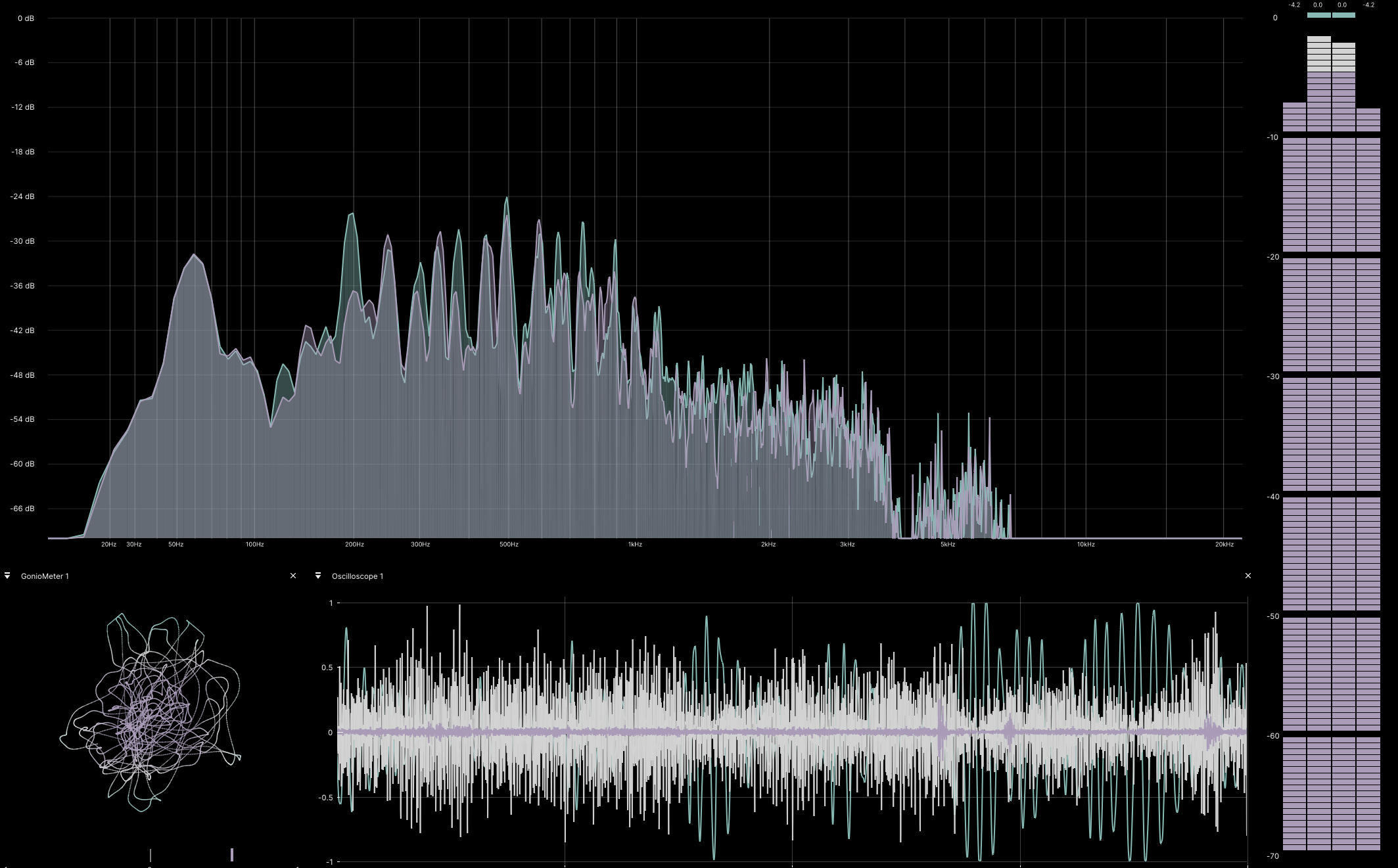
I will let you know when the tool is out!
Pro tip: Run your analyzer tools outside your DAW as standalone applications. This allows you to analyze not just your own music but also reference tracks from Spotify, YouTube, or other sources. You'd be surprised how much you can learn by seeing what's happening in professional tracks you admire!
For example, you might notice that reference track has a subtle 10kHz boost that gives it that airy quality you've been trying to achieve. These insights are invaluable for developing your production instincts.
The Power of Daily Exposure
What's particularly powerful about using these tools is how they train your ears over time. When you consistently see visual representations of what you're hearing, your brain starts to make connections that improve your listening skills.
I've also found that beautiful interfaces matter more than we admit. When your analysis tools look good, you're more likely to keep them open and reference them regularly. This consistent exposure accelerates your learning curve dramatically.
The Essential Trio in Action
Here's how these three elements work together:
-
Quality headphones give you a consistent starting point
-
Correction software removes the biases in your monitoring chain
-
Analyzer tools provide objective feedback about your mix decisions
With this foundation in place, you can make confident decisions about your sound without wondering if what you're hearing is accurate. This trio of tools has helped me create professional-sounding tracks in less-than-ideal environments, from hotel rooms to temporary studios.
Final Thoughts
You don't need thousands of euros in gear to produce professional-quality music. Instead, focus on these three essentials that give you reliable, consistent feedback about your sound.
Think of it this way: a carpenter who knows exactly how long a meter is can build precise structures with simple tools. Similarly, a producer who knows exactly what they're hearing can create amazing music with basic equipment.
Have you incorporated any of these elements into your setup? What's been your experience? Let me know in the comments or join our Discord to share your home studio insights.
Remember – make it your own.
– MORDIO